Cart
Your cart is empty
Add products to get started
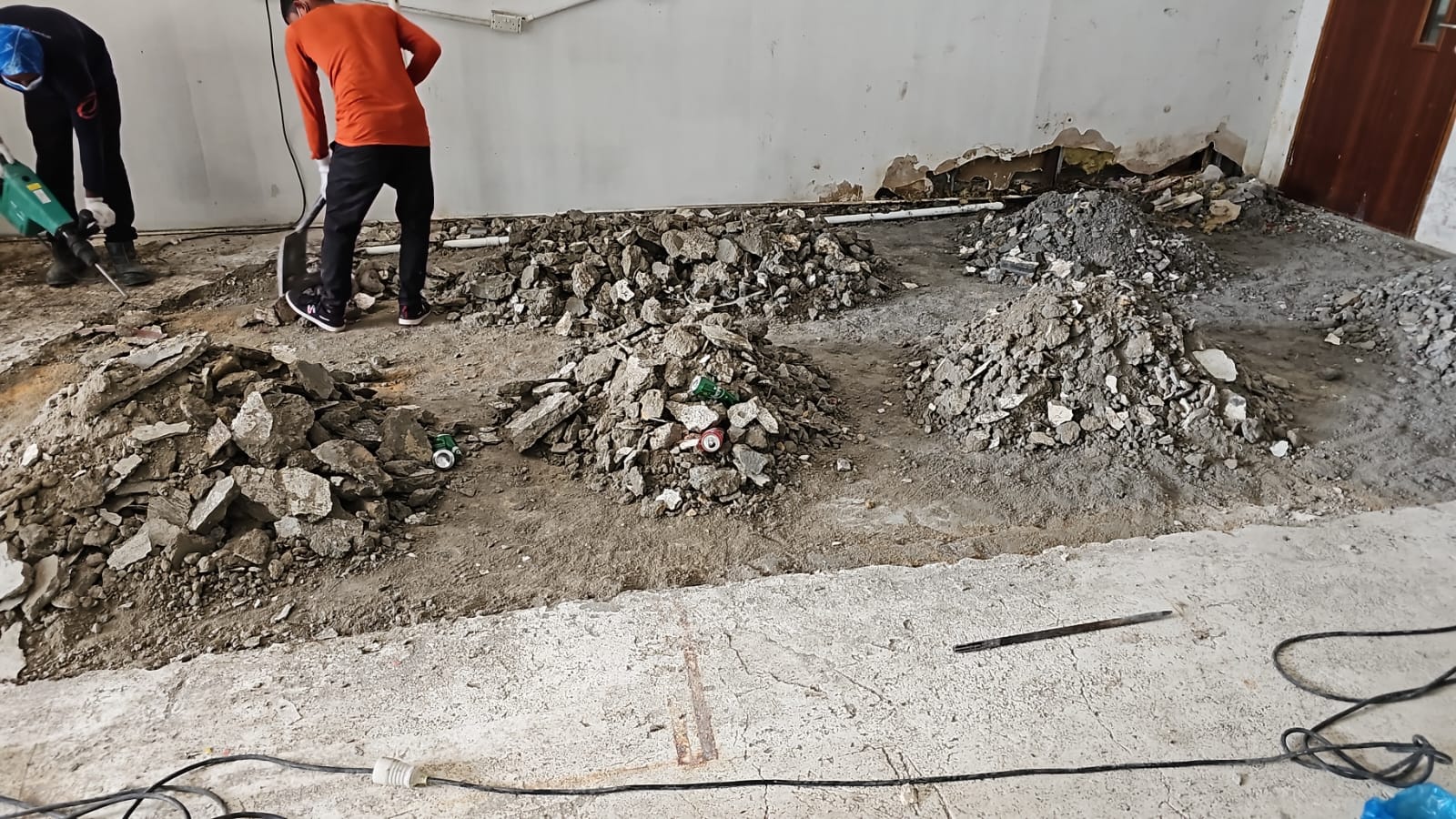
Wall, floor tile, kitchen and toilet hacking, built-in removal and debris disposal. Controlled demolition that protects the rest of your home and leaves the site ready for the next trade.
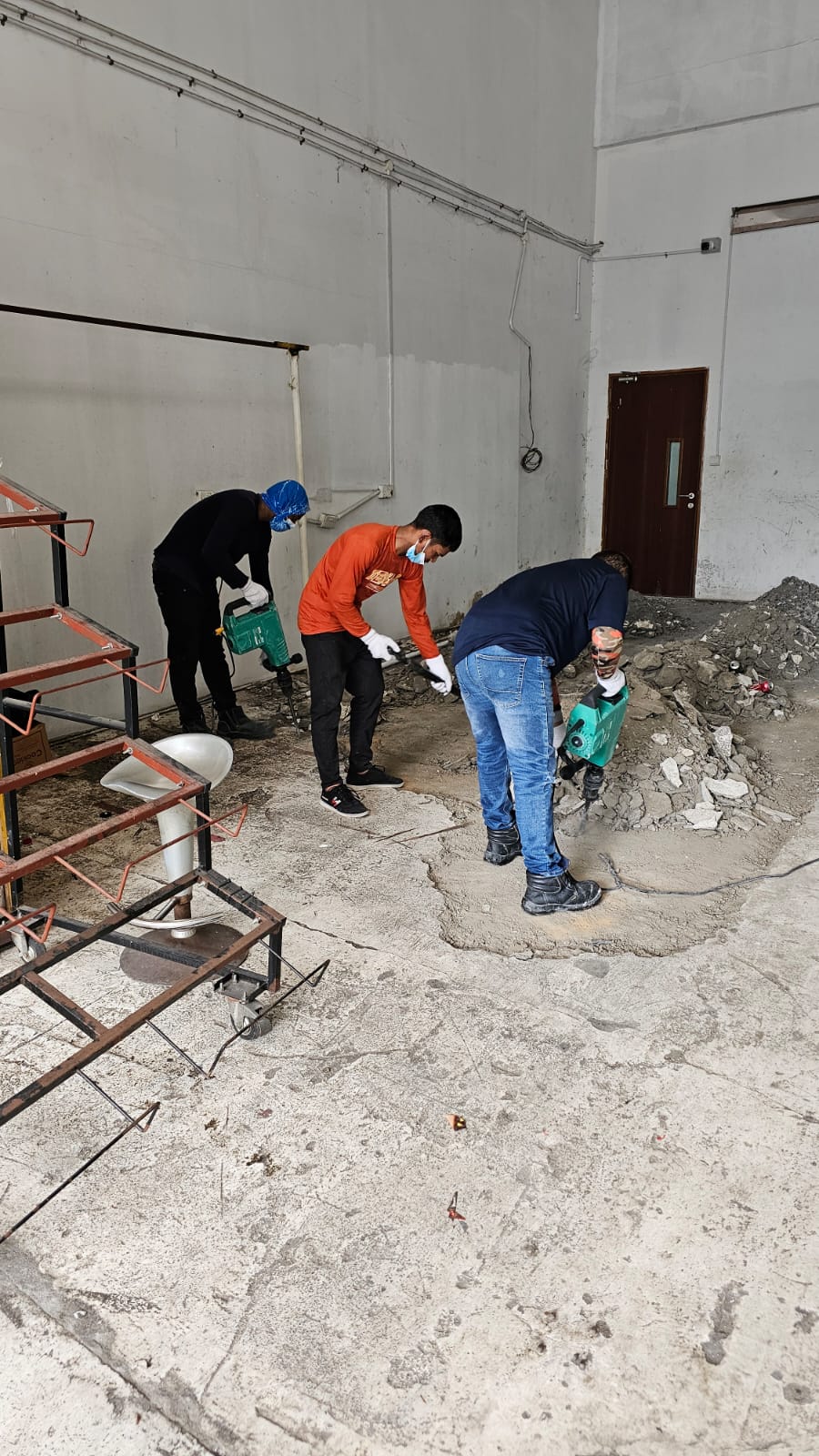
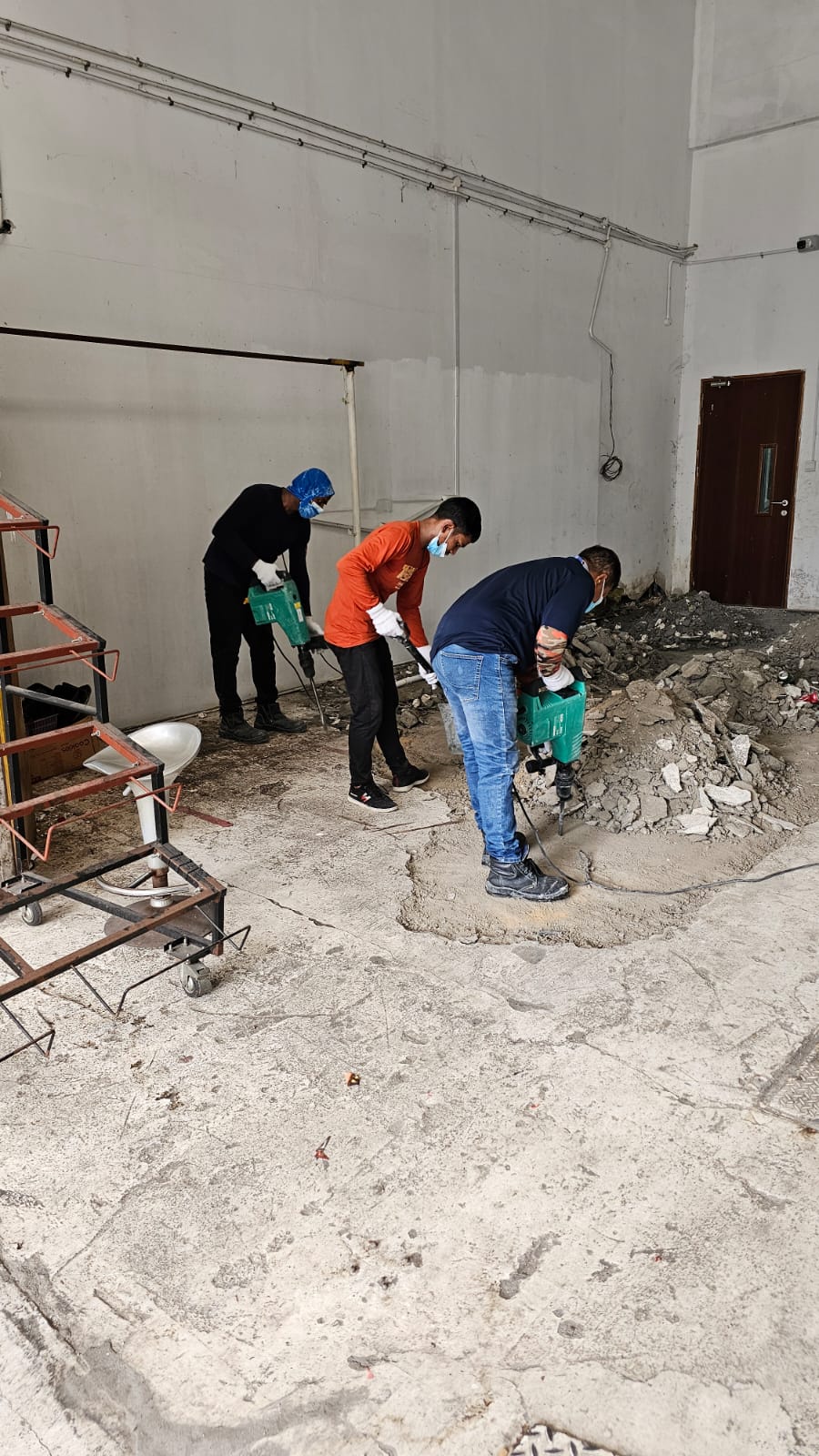
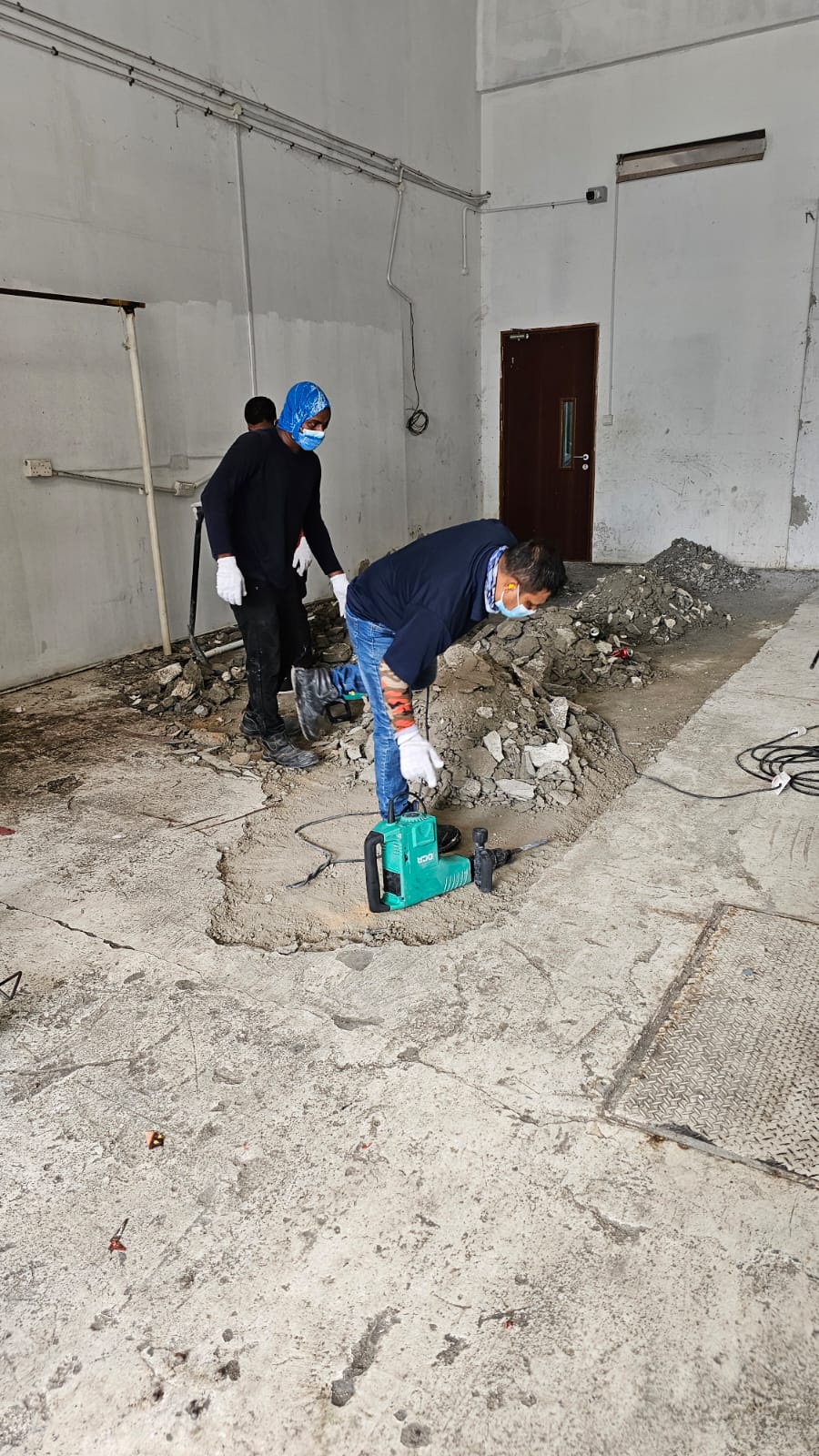
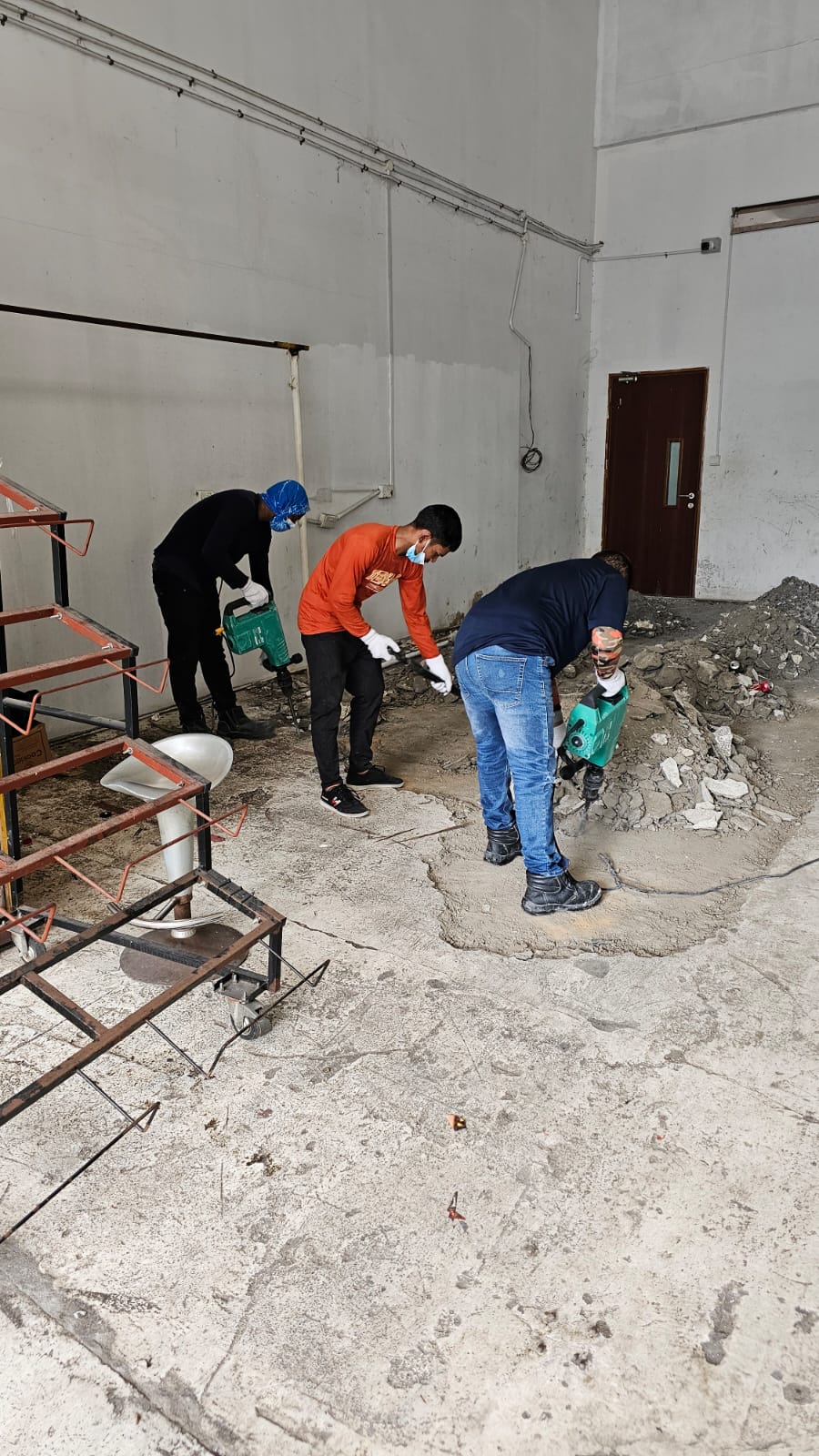
Almost every renovation begins with hacking. Old floor tiles, kitchen cabinets, a bathroom, a non-structural wall or a built-in wardrobe has to come out before anything new goes in. Done carelessly, hacking cracks neighbouring tiles, damages concealed pipes and wiring, and fills the whole home with dust. MK Renovation hacks in a controlled way. We confirm which walls and elements can be removed, isolate water and power where needed, protect the areas that stay and remove material in sections. Working in sections lets us spot concealed pipes and cables as they appear, instead of finding them by accident. In HDB flats and condominiums, hacking has to follow the building's rules, including permitted working hours and, for some works, approval before starting. We help you check what applies to your home and plan the noisiest work within the allowed hours, so neighbours and management are not caught by surprise. Debris is bagged on site, carried down and disposed of properly, so it does not pile up in corridors, lift lobbies or common areas. Old cabinets, sanitary ware and other bulky items can be cleared in the same trip. Because our team also handles plaster, tiling, plumbing and electrical work, the space is made good and ready for the next stage without delay. You deal with one team from the first hack to the finished room.
Tap any item to request a quote for it
Floor tile hacking
Old floor tiles and screed removed down to a sound base. The floor is left ready for new screed, waterproofing or tiling.
Wall tile hacking
Kitchen and bathroom wall tiles stripped carefully without damaging concealed pipes. Walls are left ready for plastering or re-tiling.
Kitchen hacking
Old cabinets, countertops, tiles and fittings removed for a new kitchen. Water and gas points are isolated safely before we start.
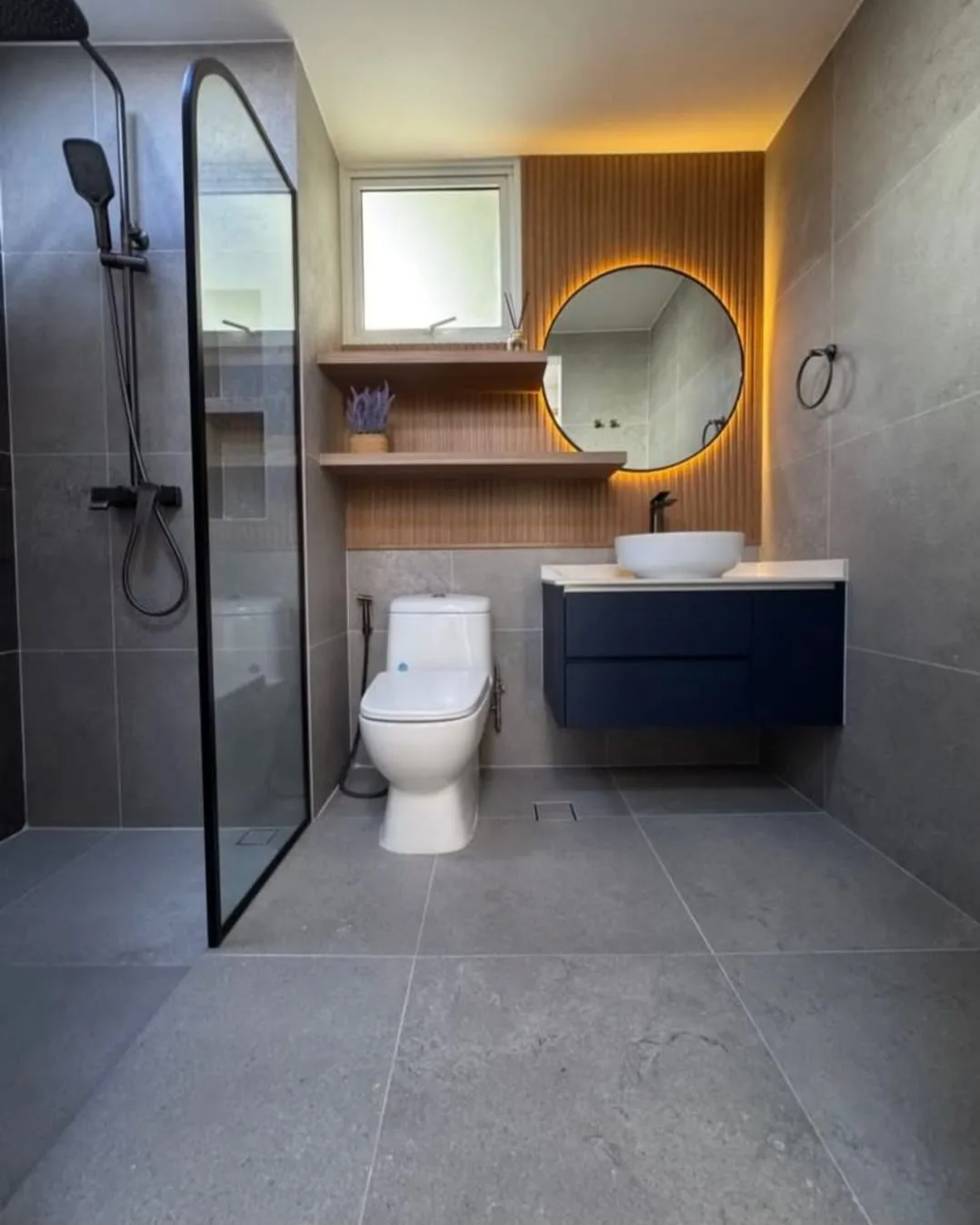
Toilet and bathroom hacking
Full strip-out of tiles, sanitary ware and fittings for a bathroom renovation. It is the right time to renew waterproofing and fix the floor gradient.
Non-structural wall removal
Non-structural walls removed to open up your layout, only where the rules allow. We help you check what is permitted before any work begins.
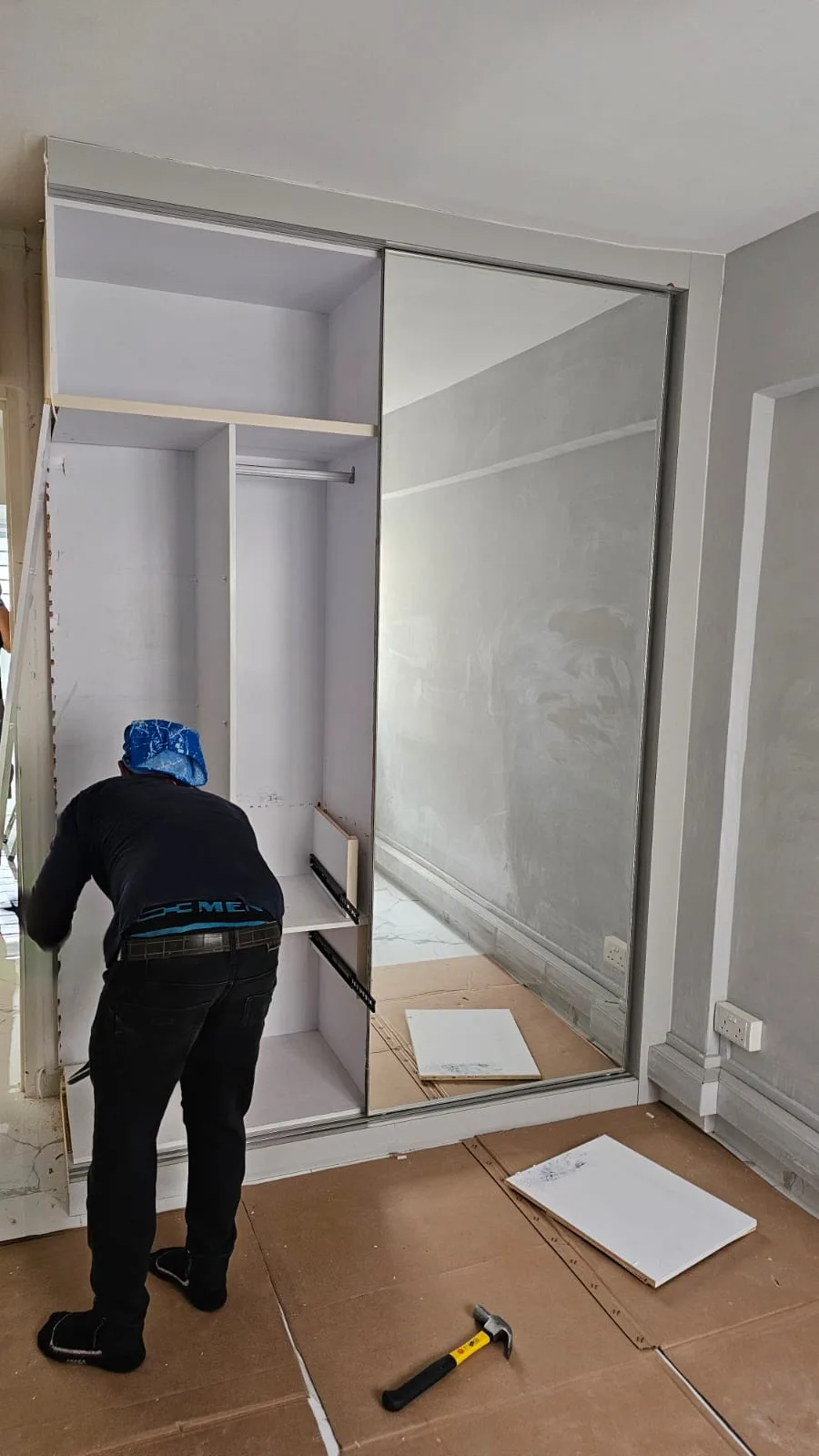
Built-in carpentry removal
Old wardrobes, shelves, cabinets and platforms dismantled and removed. Walls and floors behind them are left ready for repair or new carpentry.
Office and shop strip-out
Partitions, false ceilings, flooring and old fit-out removed for a new tenant or reinstatement. Work can be scheduled to suit your building's rules.
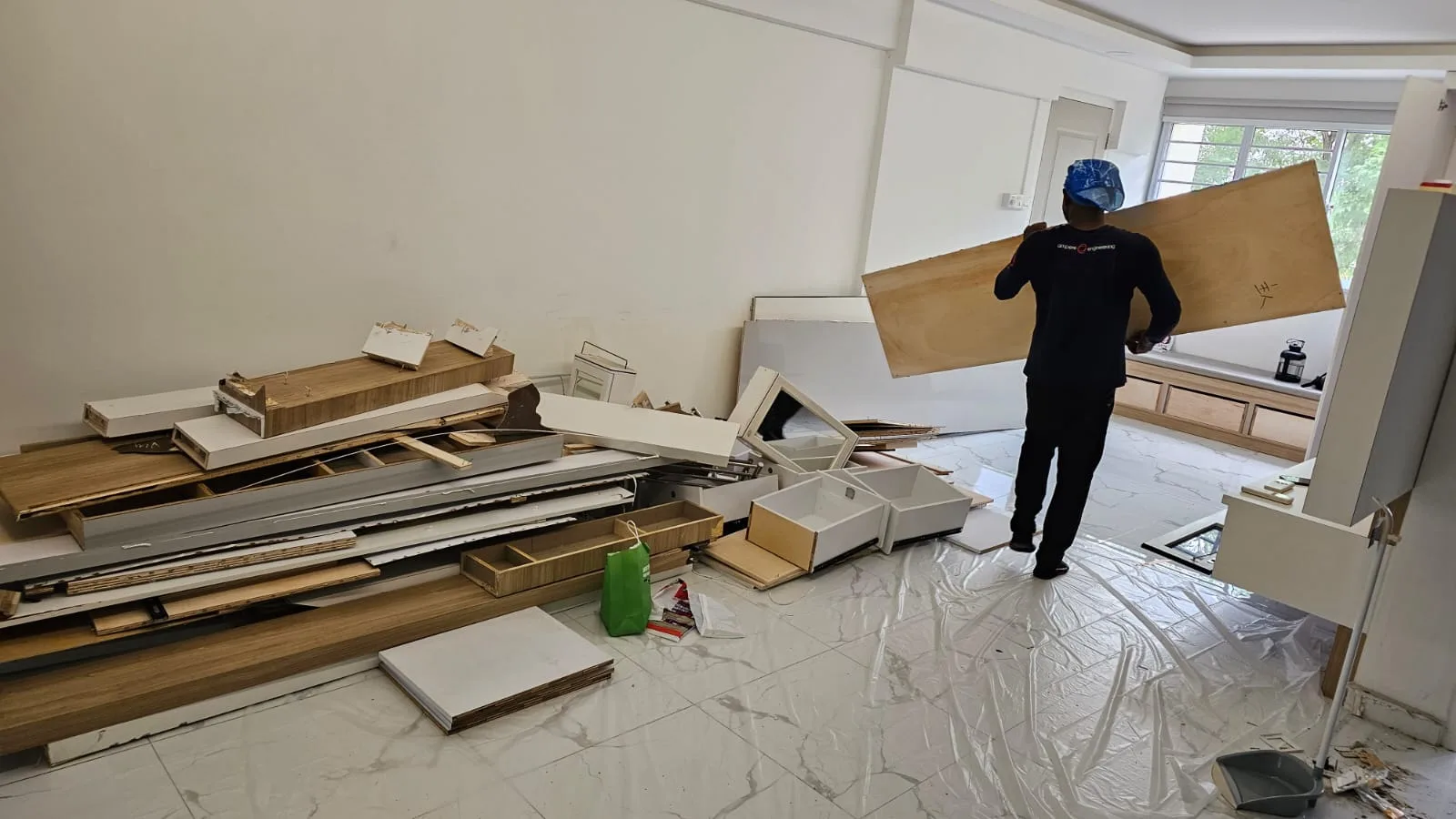
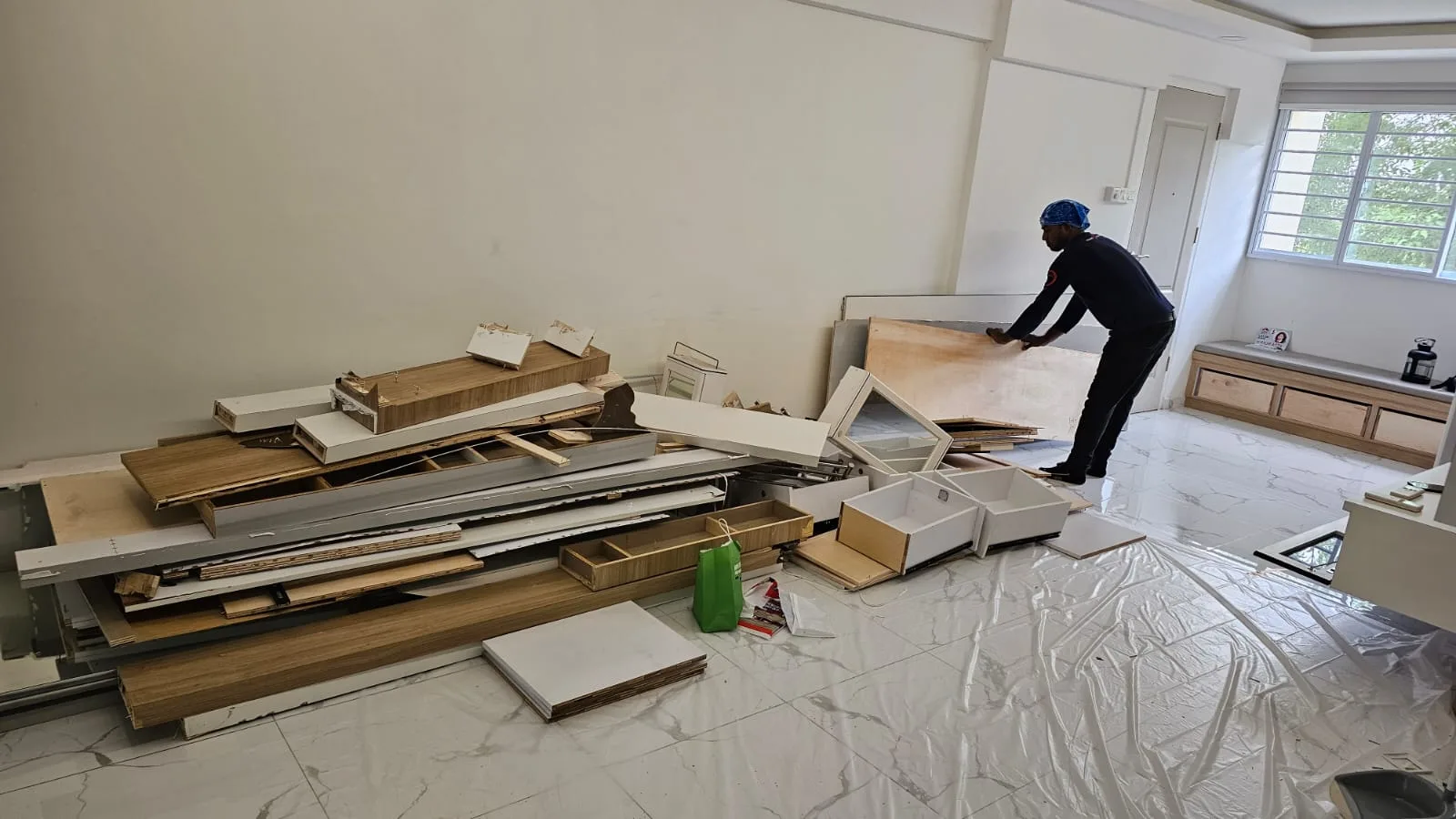
Debris and bulky item disposal
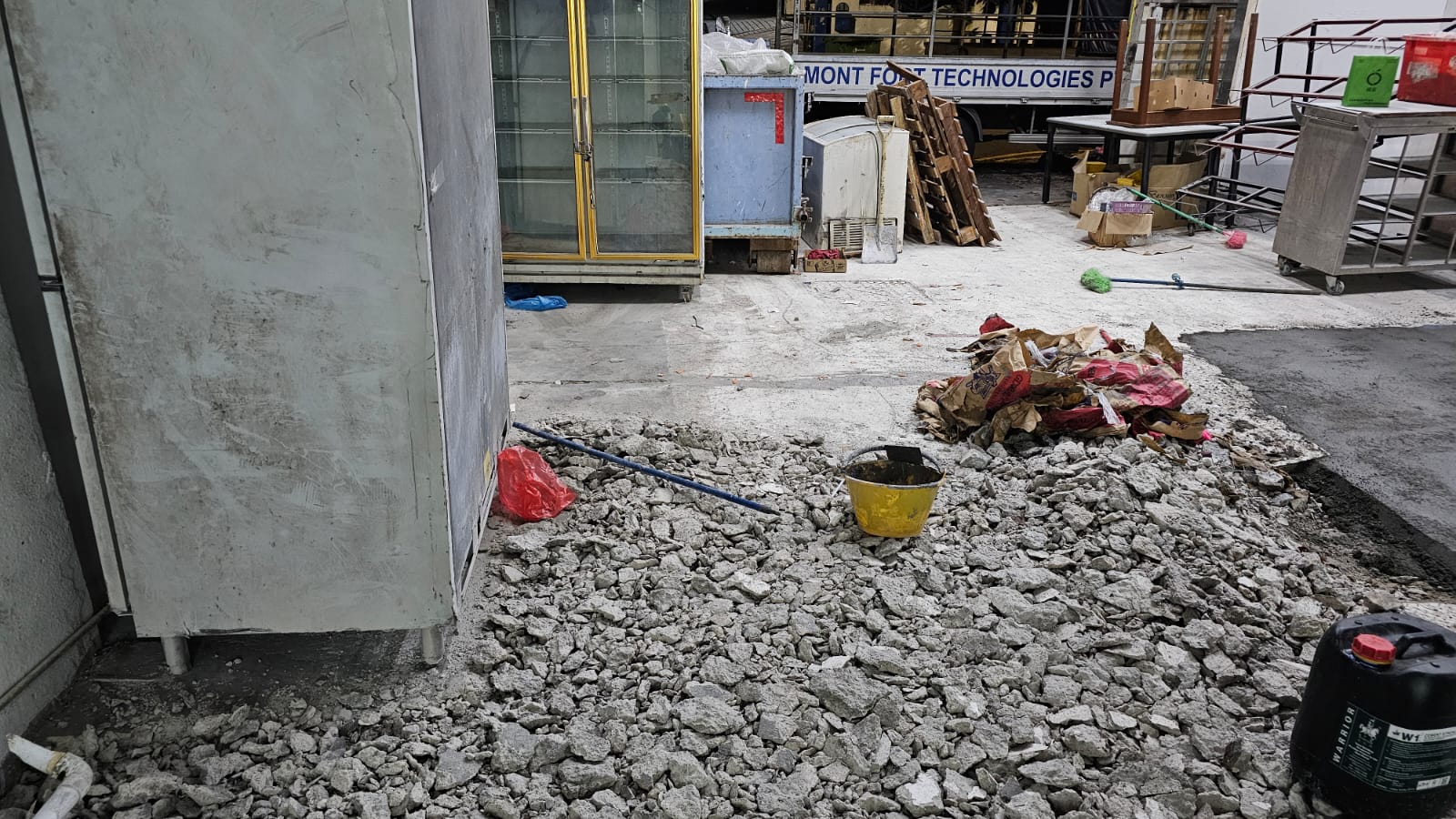
Debris bagged, carried down and cleared from site, with old furniture and bulky items included on request. Corridors and common areas are kept clear.
Safe demolition, clean site
We check what can be removed before we start, including any approval your building needs. Structural walls and restricted areas are identified early so there are no surprises halfway through.
Floors, doors, windows and fittings that stay are covered and shielded. Where required, we also protect lift lobbies and corridors used to carry debris out.
Water and power to the work area are cut off where needed before hacking begins. This reduces the risk of burst pipes, damaged wiring and accidents on site.
Noisy work is planned within the hours allowed for your HDB estate or condo. Keeping to the rules helps avoid complaints and stop-work issues with management.
Debris is bagged as we go, removed from site and disposed of responsibly. It does not sit in common areas or block your neighbours.
The area is swept and made good so new work can start right away. Our plaster, tiling, plumbing and electrical teams can follow on without waiting.
Hacking is noisy, dusty and permanent, so it pays to plan it well. A little preparation avoids damage to your home, complaints from neighbours and surprises in your budget. Whether you are renovating an HDB flat, a condo unit, a landed home or a shop, the same basics apply: know what can go, plan when it happens and decide where the debris will end up.
Not every wall can be hacked. Structural walls, some walls in HDB flats and certain areas such as household shelters cannot be altered. HDB and many condominiums also require approval or notice for hacking works, and some management offices ask for a renovation deposit or a list of works. We help you check what is allowed before any work starts, and point out where you need to apply. If a wall cannot be removed, we can suggest other ways to open up the space. Getting this right at the start avoids costly stoppages later.
Residential estates restrict noisy renovation to certain hours on weekdays, and often limit or forbid it on weekends and public holidays. Condominiums may have their own rules on top of these. We schedule the loudest work, such as tile and wall hacking, within the permitted window so the job runs smoothly and neighbours are not disturbed more than necessary. Quieter tasks like bagging debris and preparing surfaces can be fitted around it. Letting your neighbours know the planned dates in advance also helps keep relations friendly.
Before we start, we cover floors that stay, protect door frames, windows and built-ins, and protect lift lobbies and corridors where required. Water and power to the area are isolated so pipes and wiring are not damaged. Hacking is done in sections so we can stop and check concealed pipes and wiring as they appear. This careful approach also reduces vibration and the risk of cracking tiles in neighbouring rooms. It takes a little longer than hacking blindly, but it saves expensive repairs.
A single bathroom can produce a surprising amount of debris, from broken tiles and screed to old sanitary ware. We bag it as we go, carry it down and dispose of it, so it does not sit in corridors or common areas where it can cause complaints. Bulky items such as old cabinets, wardrobes or sanitary ware can be included in the same disposal. Debris removal is listed in the quote, so you know what is covered. At the end of each stage the area is swept so it stays safe to walk through.
After hacking, edges, wall bases and floors need to be prepared before new work can start. Rough edges are squared off, chases are filled and uneven floors are prepared for new screed. Our plaster and tiling teams make good straight away, which keeps the renovation moving instead of waiting for another contractor. If concealed pipes or wiring need attention, our plumbing and electrical teams can handle them at the same stage. This makes hacking the first step of a well-planned renovation rather than a separate job.
From scope check to a clear site
Send photos and a list of what needs removing, such as tiles, cabinets, walls or a whole bathroom. Let us know your property type and your target dates.
We confirm the scope, any approvals your building needs, the permitted hours and the disposal plan. You receive one clear quote covering hacking and debris removal.
Areas that stay are protected and water and power are isolated. Hacking is then done in controlled sections so concealed pipes and wiring are not damaged.
Debris is bagged, carried down and removed from site. Surfaces are then prepared so plastering, tiling or other trades can start straight away.
Straight answers from our team. Still unsure? WhatsApp us.
Some hacking works in HDB flats need a permit before they can start, especially when walls are being removed. Other works, such as hacking floor tiles, may have their own rules. We help you check what is needed for your flat before work begins. Condo owners should also check with their management office, as many have their own approval process.
No. Structural walls, household shelter walls and certain other areas cannot be hacked. We only remove walls that are allowed to be removed. If the wall you want gone cannot be touched, we can suggest other ways to open up the space or improve the layout.
Yes. Bagging, carrying down and disposal of the debris from our work is listed in the quotation. You will know exactly what is covered before we start. If you also want old furniture or bulky items cleared, tell us and we will add them to the same quote.
Usually one to two days, depending on the size of the bathroom and how much is being removed. A full strip-out of floor and wall tiles takes longer than removing just the floor. Permitted working hours in your estate also affect the schedule. We give you the expected timeline with your quote.
We hack in controlled sections and avoid heavy impact near shared walls to minimise vibration. Areas that stay, including common corridors where required, are protected before work begins. Debris is cleared promptly so it does not block common areas. Letting your neighbours know the dates in advance also helps.
Yes. Let us know which items you want removed, such as old sofas, wardrobes, mattresses or appliances, and we will include them. It is often easiest to clear them together with the renovation debris. Sending a few photos helps us plan the manpower and quote accurately.
Tell us what needs to come out. We will plan the hacking, disposal and the next steps.
Tell us what needs to be hacked and removed. You can also send photos on WhatsApp after you submit.
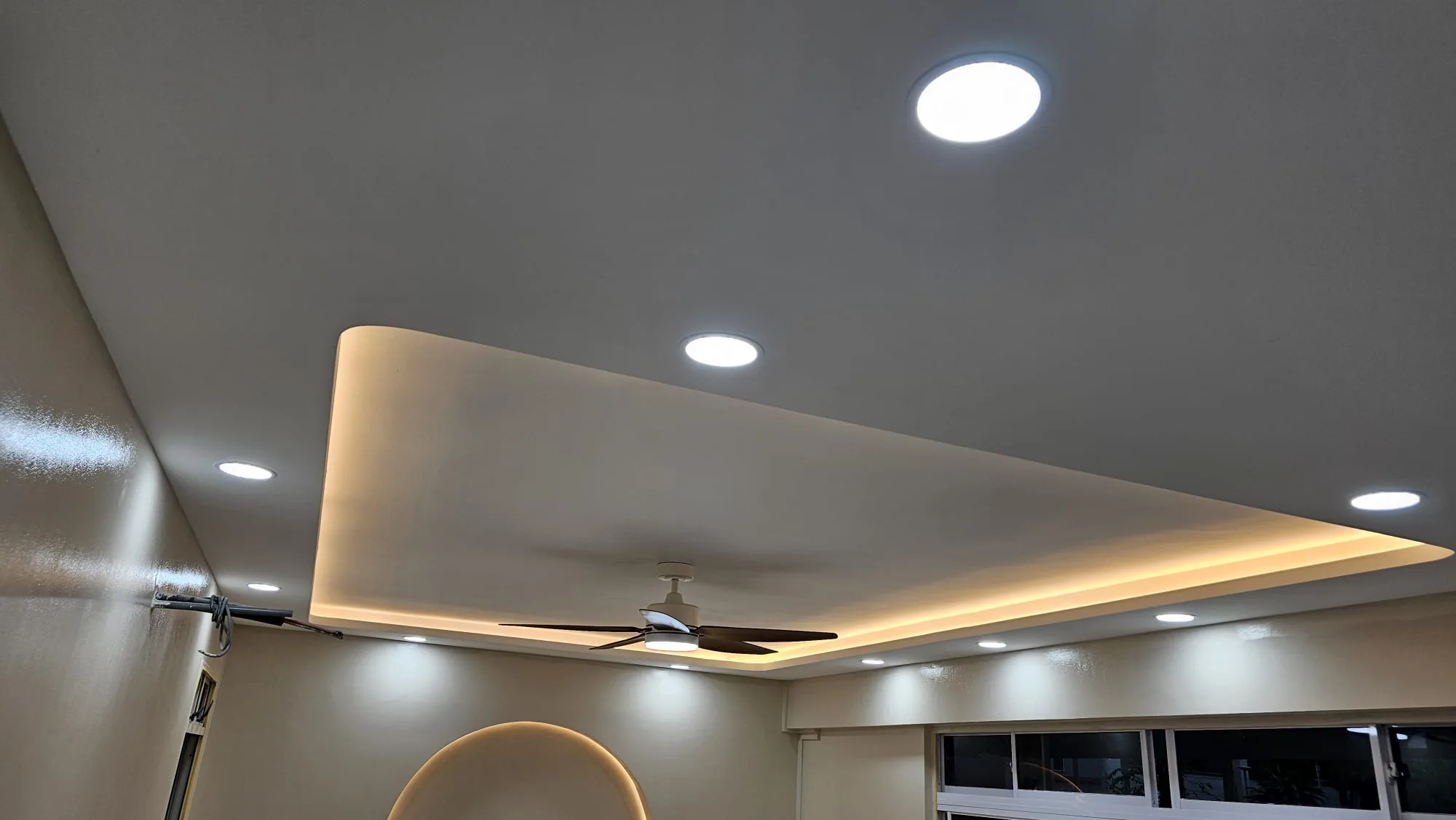
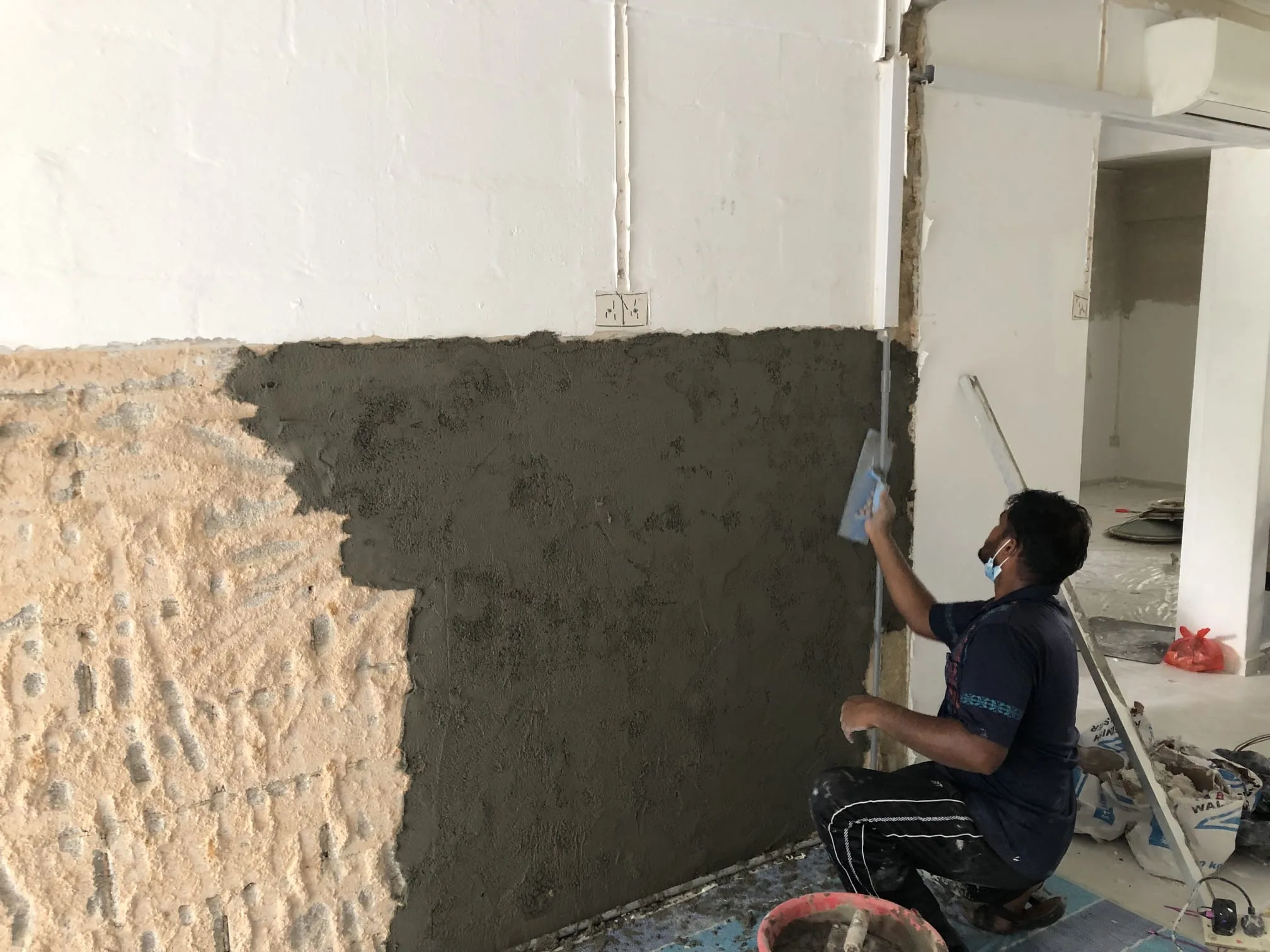
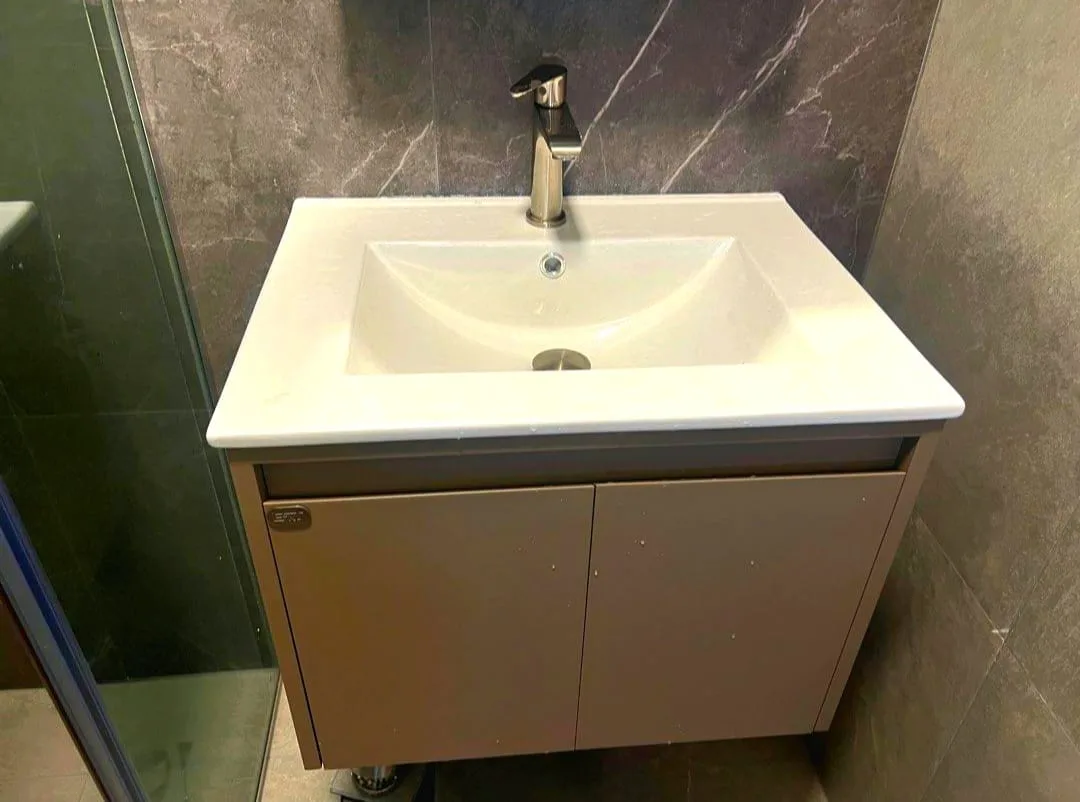
Real photos from MK Renovation jobs. Tap any photo to view it full size.